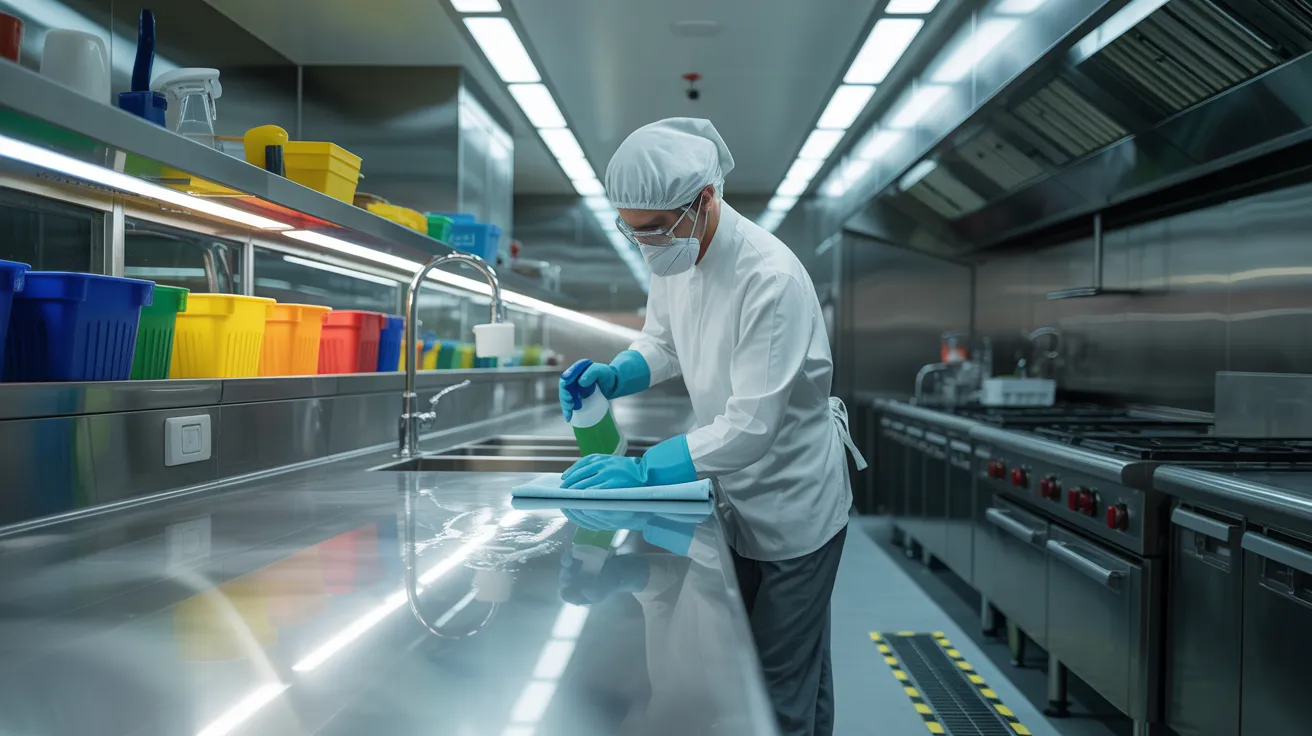
Commercial hygiene experts located in Brampton help maintain food service establishments, commissaries, bakeries, warehouses, and food service vehicles to sanitation standards. They disinfect high-touch surfaces, food prep surfaces, equipment, floors, drains, restrooms, and preparation zones with certified chemicals, at proper strength, and using documented contact periods.
Main Points
- Sanitation technicians from Brampton assist restaurants, grocery departments, commissaries, warehouses, bakeries, schools, mobile vendors, and allergen-sensitive operations.
- Sectional methods disinfect frequently contacted areas, food-contact equipment, kitchens, floors, drains, restrooms, and storage areas for eliminating cross-contamination.
- Checking of approved sanitizer dilution, alignment, and contact time is conducted by certified specialists, with finalization logged using checks, assessments, and remedial documentation.
- Maintenance timelines ought to follow risk, throughput, changeovers, spills, and standards, with daily, recurring, and periodic duties distributed by area.
- Prioritize providers showing hazard analysis knowledge, public-health expertise, safety training education, liability, references, color-coded instruments, and inspection-ready maintenance paperwork.
What Brampton Operations Require Food Safety Cleaning?
Any Brampton facility that manages, stores, prepares, packages, or serves food needs sanitation protocols. You must implement it if your business falls under health department oversight, food regulations, or HACCP requirements. That requirement covers food service venues, employee cafes, supply centers, retail departments, meat shops, fish areas, local stores, and institutional food prep areas.
Proper sanitation protocols is furthermore needed in storage warehouses, production plants, freezer facilities, bakeries, school nutrition services, reception halls, and meal delivery centers. Portable and seasonal operations matter too, including catering vehicles, festival sellers, and pop-up stands. Your establishment demands documented cleaning protocols should your workers work with ingredients, section finished dishes, heat items, or keep allergens organized. In Brampton, sanitation continues to be not elective; it represents regulatory, business, and safety requirements.
Which Areas Do Brampton Cleaning Experts Cover?
You need cleaning experts who sanitize high-touch surfaces, kitchens, floors, and bathrooms to meet food safety and public health standards. They target these areas because they pose the greatest danger for contamination spread, slipping risks, and hygiene violations.
If you grasp what they sanitize, you'll be able to confirm your facility meets all operational and regulatory compliance needs.
Important High-Touch Surface Disinfection
establish how frequently each zone is sterilized
surface sampling to confirm sanitization results
Kitchens, Floors, and Restrooms
Professional cleaners in Brampton prioritize kitchens, floors, and restrooms given that each location involves specific food safety, falling hazards, and health code requirements. In industrial kitchens, you need degreasing on cook lines, equipment exteriors, drains, prep surfaces, and splash zones to reduce bacterial growth and pest activity.
Floor care that is documented should also be anticipated. Technicians clean and remove buildup from grout, tile, and vinyl flooring, then apply proper moisture management so you can reduce slip incidents and maintain code-compliant conditions. They also handle entry points where dampness and dirt enter the building.
Restroom cleaning involves disinfecting surfaces, fittings, separators, dispensers, and containers, replenishing amenities and managing odor. They also service restaurant moprooms, where chemical storage, sink hygiene, and drainage conditions can affect sanitation compliance and staff safety daily.
How Food Safety Cleaning Benefits Brampton Operations
To comply with regulatory mandates and succeed in audits, Brampton facilities must maintain appropriate cleaning protocols. You also minimize cross-contamination by cleaning and sanitizing food-contact surfaces, equipment, and high-touch areas correctly. Most importantly, you help protect community wellness by reducing the chance of food poisoning in your establishment.
Food Safety Regulations
Since Brampton food businesses must follow stringent health requirements, your food safety cleaning directly affects your read the information ability to meet health codes, protect diners, and sidestep regulatory penalties. You must maintain hygienic food handling zones, verifiable cleaning logs, safe chemical management, and documented employee protocols that meet municipal and provincial inspection expectations.
During regulatory examination of your operation, officials assess whether your hygiene protocols facilitates proper stock preservation, equipment sanitation, refuse management, and washroom maintenance. Well-maintained cleaning files allow you to show due diligence during regulatory audits and indicate that your procedures are standardized, replicable, and monitored.
Cross-Contamination Prevention
Adhering to regulatory guidelines requires your skill in preventing cross-contamination throughout routine preparation and sanitation work. You need to isolate uncooked items from finished products, sanitize work stations after each task, and keep chemicals away from food-contact items. Structured procedures reduce transfer risks and maintain ongoing regulatory adherence.
You might establish allergen separation to stop main allergens from reaching common areas, containers, or machinery. Use dedicated cutting boards, color-coded tools, and rigorous tool identification so team members avoid blending products during preparation or service. Enforce washing hands following raw meat, seafood, eggs, or allergen-containing products. Swap cleaning rags frequently, and test disinfectant concentration using strips. When employees learn these procedures every shift, you develop a more sanitary, secure business that matches Brampton's safety requirements every day.
Public Health Safeguarding
If proper sanitation deteriorates, you don't merely risk a failed inspection—you boost the probability of foodborne illness affecting customers, staff, and the broader Brampton region. You also undermine your responsibility in safeguarding community wellness, especially in busy food facilities where contamination can spread quickly through surfaces, equipment, and touchpoints.
You need sanitation systems that remove contaminants, sanitize effectively, and confirm results. This requires following exposure durations, using authorized sanitizers, documenting procedures, and coaching employees to satisfy health-unit expectations. These controls promote illness spread by minimizing pathogens before reaching surfaces or food. Throughout Brampton, effective sanitation safeguards susceptible populations, reduces outbreak risk, and proves accountability. When you follow proper protocols, you exceed regulations—you mitigate risk and enable safer food service region-wide.
Why Is Cleaning Essential for Food Safety Compliance?
Prioritizing thorough cleaning protocols secures food safety compliance by reducing contamination risks, controlling pathogen growth, and keeping your facility aligned with sanitation requirements under HACCP-based programs and public health regulations. You confirm that product-contact areas stay visibly clean and microbiologically controlled, backing documented preventive controls and inspection readiness.
Diligent cleaning moreover strengthens allergen mitigation by eliminating residues that can trigger undeclared allergen exposure. When you pair validated sanitation procedures with standards training, your staff can adhere to established protocols, apply approved chemicals correctly, fill out documentation correctly, and handle variations before escalation occurs. Systematic cleaning facilitates traceability, confirms corrective actions, and shows accountability when audited. Furthermore, it aids you maintain quality assurance, preserve operational compliance, and decrease the risk of enforcement actions, product recalls, complaints, and unnecessary health hazards.
How Do You Schedule Commercial Cleaning Work?
peak production periods, product transitions, spillage events
conducting promotions, catering, or public functions
How Do You Choose Brampton Cleaning Experts?
Screen providers initially by their food-safe sanitation requirements—not budget alone. You need to verify that every company meets CFIA, public health, and HACCP standards for your operation. Demand insurance verification, WHMIS compliance, training records, and management systems. Evaluate technician knowledge of cross-contamination risks, chemical safety, and documented sanitation practices.
You should also assess operational reliability and responsibility. Request references from Brampton food businesses, then examine response times, corrective actions, and communication standards. Confirm the company participates in supplier audits and can present inspection-ready documentation when regulators or third parties request evidence. Check whether equipment maintenance is performed, color-coded implements are used appropriately, and facility-specific risks are recognized. A competent service protects regulatory adherence, product quality, and your brand reputation.
Which elements are contained in a hygiene cleaning program?
Put together a written program that clarifies every sanitation duty, standard, and accountability ahead of production commencement. You should list cleaning frequencies, approved chemicals, dilution rates, contact times, tools, and verification methods for each zone, surface, and piece of equipment. Make sure to include pre-operational inspections, corrective actions, and employee training requirements.
Your plan should also address contamination prevention, garbage management, pest control procedures, and recorded timelines for restrooms, drains, floors, and food-contact areas. Explain how you'll keep raw and prepared foods apart, enable ingredient tracking, and maintain accurate allergen labeling through validated cleaning between product changes. You should assign accountability, maintain signed records, and compare results against regulatory standards, HACCP controls, and customer requirements. When gaps appear, update procedures immediately and retrain staff.
Popular Inquired Questions
Are sanitation providers offered for nighttime operations in Brampton facilities?
Yes, you can book sanitation coverage to accommodate nighttime operations in Brampton facilities. You'll coordinate nighttime cleaning around operational windows, access requirements, and staffing levels. Providers generally create overnight logistics to reduce interruption, maintain standards, and record finished tasks. You should verify response times, supervision, lockout protocols, and waste management before starting service.
Can Brampton cleaning experts manage emergency spill response?
Yes, you can find many Brampton cleaning professionals offering emergency response options. They manage hazardous materials, assess dangers, isolate zones, and execute rapid cleanup to reduce exposure and limit operational impact. You should verify response times, training credentials, protocols, and procedures. If your facility must meet standards, pick a provider that documents incidents, maintains standards, and ensures verification.
Will green disinfectants disinfect safely food-handling equipment?
In essence, green disinfectants prove safe for food-contact surfaces provided you choose disinfectants approved for food contact that comply with regulatory compliant. Confirm application timing, dilution rates, and rinse procedures before use. Natural-based solutions lower chemical hazards, although you should obtain proof of efficacy against harmful bacteria. To ensure surfaces without residue, stick to precise manufacturer instructions and confirm the cleaning agent complies with relevant food safety standards.
Can cleaning schedules be modified for seasonal variations?
Without question, cleaning plans adapt well for seasonal variations. Adapt timing, labor allocation, cleaning agents, and testing procedures to fit operational cycles while preserving regulatory adherence. Decrease production interruptions by organizing sanitation amid changeovers, peak volumes, and equipment use patterns. Additionally revise procedural documents, employee training, and facility monitoring to capture transient threats, additional allergens, or increased soil loads. Regular reviews ensure your schedule functional.
Will professional cleaning services teach employees on hygiene best practices?
Yes, commercial cleaners typically educate your team on sanitation best practices. You get employee instruction on correct chemical application, exposure periods, contamination control, equipment disassembly, and record keeping. They typically align instruction with HACCP, GMP, and CFIA or local public health requirements. Many also conduct hygiene inspections to verify compliance, identify gaps, and strengthen remedial steps. This helps you maintain consistent procedures, succeed in audits, and minimize contamination hazards daily.
Closing Remarks
Through engaging Brampton commercial cleaning and food safety experts, you accomplish much beyond organizing—you ensure your facility for inspections and your standards stay aligned with regulations. From production floors to kitchens, all maintained surfaces and organized zones reduce contamination risks and prevent significant costs. Through scheduling maintenance on suitable timelines and adhering to a comprehensive cleaning program, you safeguard your team, your patrons, and your good name. In a tightly controlled regulatory landscape, clean conditions cannot be considered optional—they represent good business practice.